Mourning a Beloved Father: Finding Comfort and Purpose
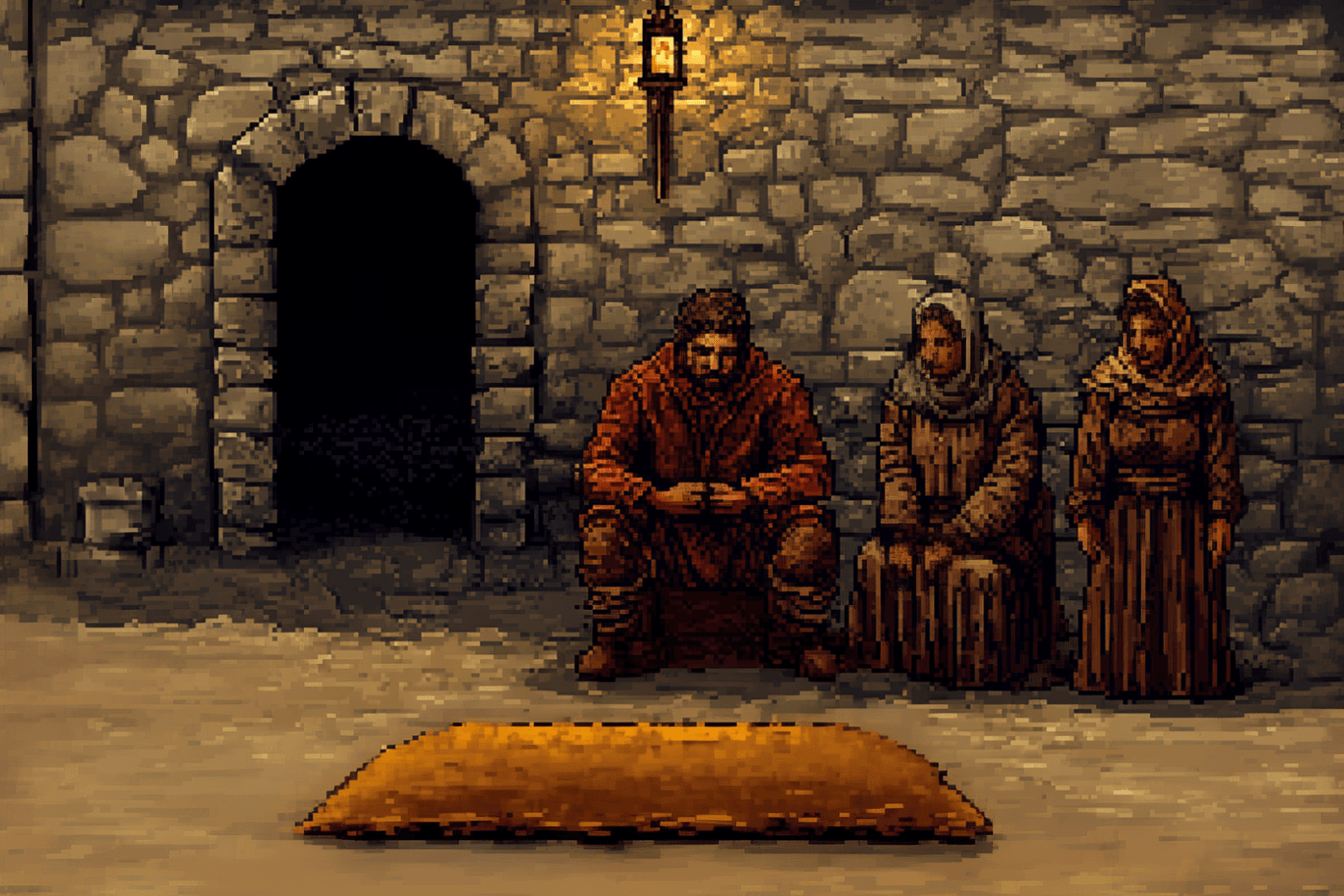
Losing a father is one of the most profound and painful experiences in life. A father is a guide, protector, and source of wisdom. When he passes away, it can feel as if a pillar of strength has been taken from us. While grief is natural and necessary, it is also important to find ways to honor his memory, seek comfort in faith, and carry forward his legacy with gratitude and purpose.
Honoring His Memory
In the Scriptures, honoring one's parents, even after their passing, is emphasized as a sacred duty. When Jacob passed away, his sons mourned deeply and ensured that he was buried with great honor:
"Joseph threw himself upon his father and wept over him and kissed him. Then Joseph directed the physicians in his service to embalm his father Israel. So the physicians embalmed him, taking a full forty days, for that was the time required for embalming. And the Egyptians mourned for him seventy days." (Genesis 50:1-3)
This teaches us that honoring a father’s memory is not only a personal act but also a divine responsibility. One of the most meaningful ways to keep a father’s memory alive is to do good deeds on his behalf. Consider:
- Donating to a cause that was important to him.
- Supporting a family in need in his memory.
- Establishing a scholarship or community project in his honor.
- Planting a tree as a lasting tribute to his life and impact.
Stepping Up for the Family
The passing of a father often means that his responsibilities must be taken up by others. This is a time to honor his legacy by stepping up and continuing the good work he did for the family. Some ways to do this include:
- Providing emotional support to your mother, siblings, and loved ones who are also grieving.
- Taking on family duties that he once handled, whether financial, spiritual, or moral guidance.
- Keeping family traditions alive, ensuring his teachings and values continue to shape future generations.
Embracing Gratitude and the Reality of Life
Life is fleeting, and everyone is only meant to be here temporarily, like travelers passing through. As Jesus reminded his followers:
"For we brought nothing into the world, and we can take nothing out of it." (1 Timothy 6:7)
This world is not our final home, but a place of trial and preparation for the eternal life to come. While mourning a father’s passing is deeply painful, we should also be thankful for the time we had with him. Each shared moment, lesson, and act of love was a gift.
Rather than being consumed by sorrow, we can find strength and hope in the promise that, by the grace of God, we will one day be reunited in the afterlife.
Turning to God in Prayer
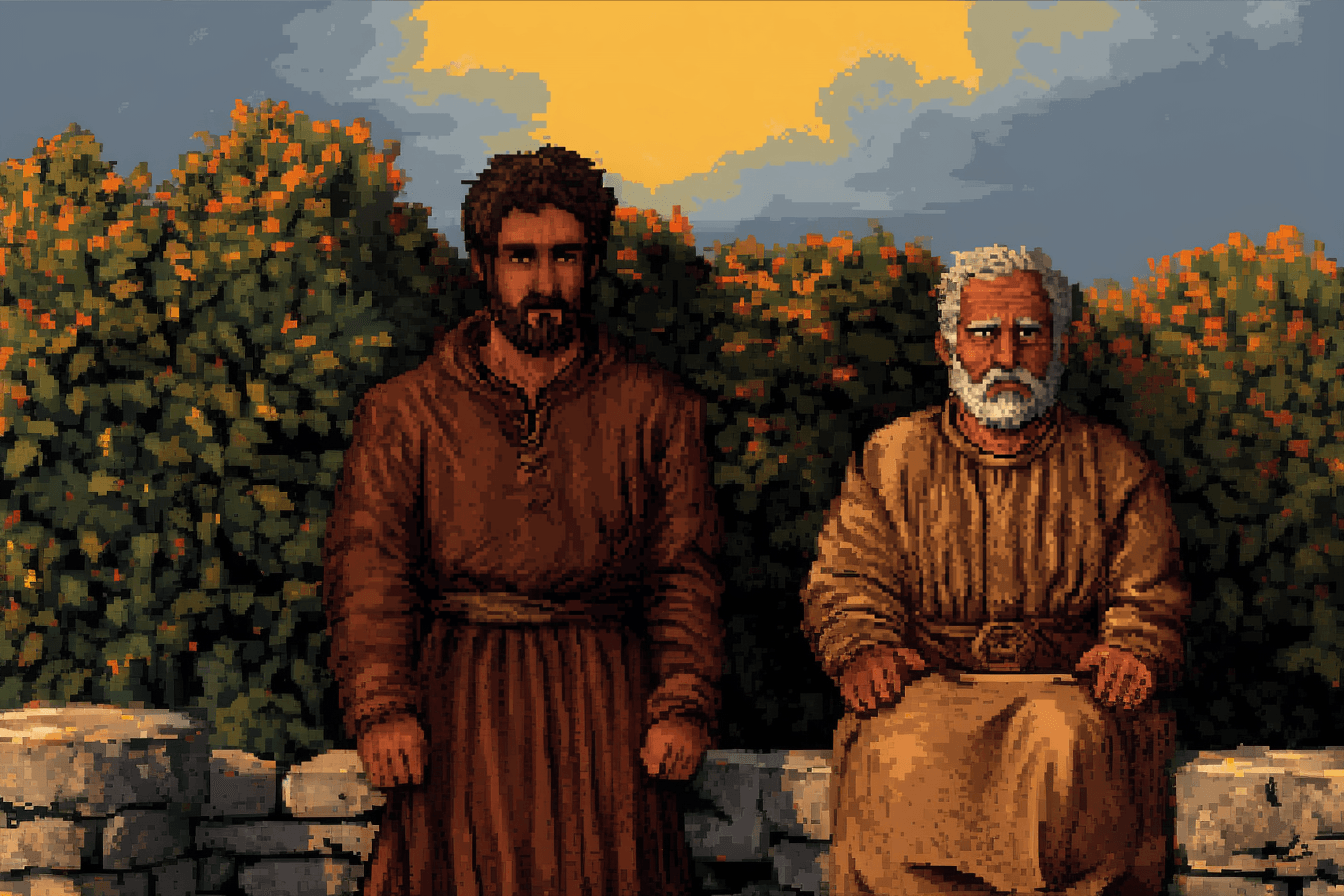
The Scriptures emphasize praying for the deceased and seeking God’s mercy upon them. When Moses interceded for his people, he showed the importance of asking for divine forgiveness and guidance:
"Then he said, 'My father made me swear an oath and said, "I am about to die; bury me in the tomb I dug for myself in the land of Canaan." Now let me go up and bury my father; then I will return.' So Pharaoh said, 'Go up and bury your father, as he made you swear to do.'" (Genesis 50:5-6)
This passage reminds us of the deep respect and duty we have toward our fathers even after their passing. Similarly, we should pray for our departed parents, seeking God's forgiveness for them and asking Him to grant them eternal peace.
One of the greatest gifts we can give to a deceased parent is prayer. Asking God to forgive them, bless their soul, and grant them peace is a way of continuing to show our love and respect.
- Pray that God forgives his shortcomings and grants him eternal rest.
- Ask for guidance to become a righteous person, honoring his memory through your own character and actions.
- Seek strength and patience to endure grief while continuing his legacy.
How to Celebrate His Life
While grief is a natural response to loss, finding ways to celebrate a father’s life can bring comfort and healing. Honoring his memory through meaningful actions allows us to cherish the love and wisdom he shared. Here are some ways to do this:
- Sharing stories and memories with family and friends.
- Creating a tribute album or video filled with photos and reflections.
- Hosting a gathering where loved ones can come together to remember and honor him.
- Continuing his passions and hobbies, keeping alive what he loved to do.
Dealing with Grief in a Healthy Way
Mourning in a healthy way is exemplified in the Scriptures. When Aaron lost his sons, he remained silent in submission to God's will:
"The Lord is close to the brokenhearted and saves those who are crushed in spirit." (Psalm 34:18)
These examples show us that grief is natural, but we must also find strength in faith and continue fulfilling our duties in life.
Grief is personal, and everyone mourns differently. Allow yourself to feel sadness, but also take care of your well-being:
- Seek support from family, friends, or grief groups.
- Allow yourself time to grieve, knowing that healing takes time.
- Find comfort in faith, trusting in God’s wisdom and mercy.
- Engage in acts of kindness, which can help bring healing and peace.
A Final Thought
A father’s love does not end with his passing. He lives on in your heart, in the lessons he taught, and in the legacy he left behind. Honor him by living a life of goodness, integrity, and faith. Through remembrance, prayer, and action, we can ensure that his light continues to shine in the world.
May God grant peace to all those who mourn, and may He guide us to be people of righteousness, so that we may bring honor to our parents in both this world and the next.